A city block burns, a wanted general is captured, and one woman is pushed back toward a family history she tried to escape. That tension gives this Yniga Glenn Diaz Book Review its center. Yñiga is not only a political novel about the Philippines. It asks what political violence does after headlines disappear and fear enters homes, memories, careers, and family silences.
Glenn Diaz follows Yñiga Calinauan, a forty-year-old former academic who now ghostwrites theses in Manila. Her limited but manageable routine breaks when a retired army general wanted for murder is captured near her home. Days later, her neighborhood burns.
That event launches the story. Consequence, however, becomes its real subject.
What Is Yñiga by Glenn Diaz About?
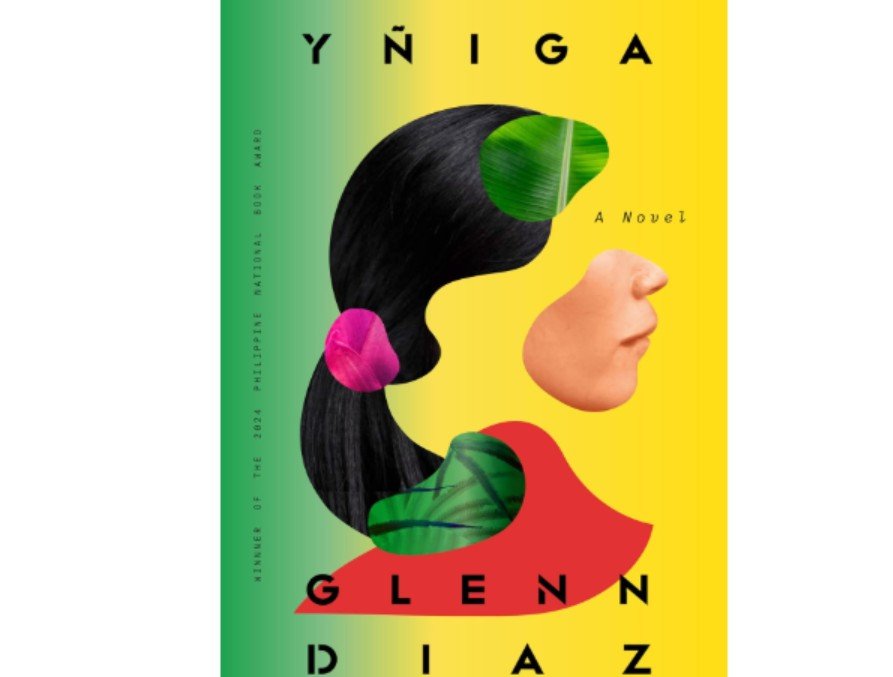
Image Credit: Amazon
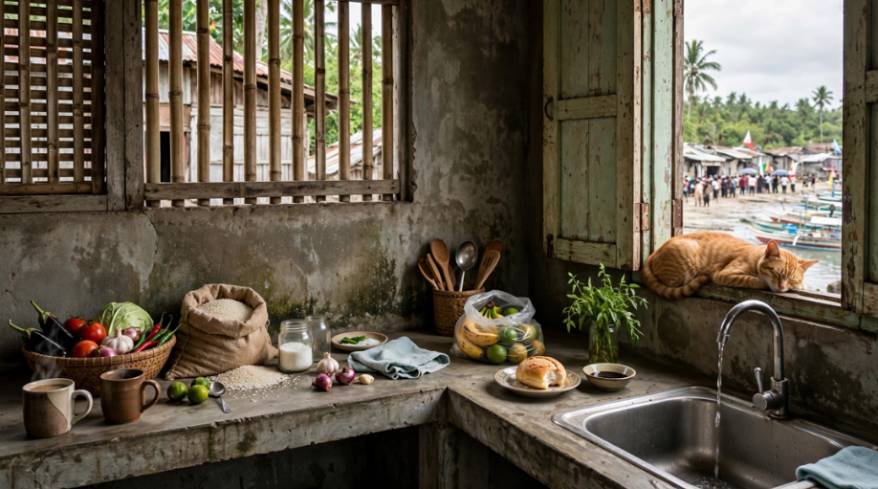
After the fire, Yñiga returns with her cat, Jestoni, to M—, the fishing village where she grew up. She wants quiet. Instead, home forces her into unfinished history.
Her father, Itos, was a poet and revolutionary who disappeared after joining leftist rebels. Her mother has severe health problems, while Yñiga’s sister carries much of the family burden. Marco, a younger man connected to the family, continues activist work that Yñiga has tried to keep at a distance.
Publishers Weekly describes the novel as a reckoning with the Philippines’ history of terror and upheaval after the Cold War. Coffee House Press places resistance, state violence, and the aftermath of empire at the center of the novel.
Readers interested in fiction that makes ordinary reality feel unstable may also enjoy theres a monster in the lake laura fernandez book as a related reading choice.
Why This Yniga Glenn Diaz Book Review Reads the Novel Differently
The most interesting thing about Yñiga is not simply that it combines politics with family drama. Diaz repeatedly changes the scale of his story.
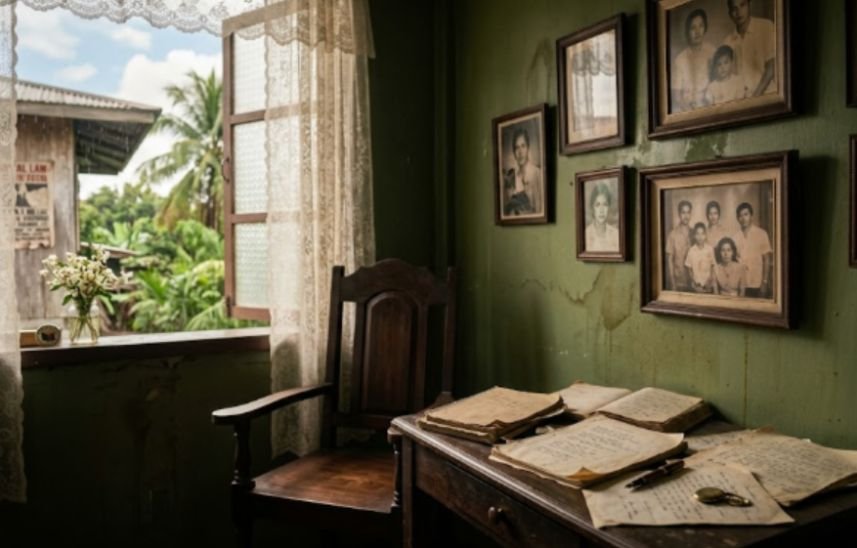
A national history of repression becomes a burned apartment. Political corruption appears through food carrying a mayor’s branding. Environmental damage becomes declining fish stocks. A disappeared political activist becomes an empty space inside one family.
I think of this as Diaz’s “pressure map.”
Large systems of power rarely stay abstract. They produce small, physical consequences. That is the original insight at the heart of this Yniga Glenn Diaz Book Review: history reaches people through hunger, housing, work, caregiving, fear, and damaged relationships.
That technique prevents political history from becoming decoration. Diaz makes it part of the novel’s physical world.
Glenn Diaz’s Writing Style: Memory Before Momentum
Readers expecting a conventional political thriller may find Diaz’s structure unusual. The narrative moves between present action, family memory, and political history rather than following a clean chronological line.
For this Yniga Glenn Diaz Book Review, that structural choice makes psychological sense. Yñiga herself lives through avoidance, incomplete knowledge, and inherited trauma. A perfectly organized chronology would weaken the experience.
The Asian Review of Books highlights Diaz’s deadpan and wry prose. It also notes that Filipino words are not always translated or italicized and that dialogue appears without conventional quotation marks.
Those choices create friction. Yet the difficulty has a purpose. Diaz makes readers experience uncertainty rather than merely hear about it.
Readers who enjoy similarly challenging relationships between landscape and memory could explore dams irene sola book next.
State Violence and Family Trauma in Yñiga
Political Violence Is Never Just Background
Coffee House Press states that Yñiga was inspired by state-sponsored killings during Gloria Macapagal Arroyo’s administration. The political foundation therefore matters far beyond atmosphere.
The fugitive general triggers the plot, but this Yniga Glenn Diaz Book Review finds the surrounding network more revealing. Diaz examines military authority, political families, local officials, environmental disputes, activists, and citizens trapped between competing powers.
The result feels closer to systemic critique than a simple good-versus-evil thriller.
Inherited Trauma Becomes a Family Language
Itos’s disappearance shapes Yñiga’s family long after he is gone. His political commitment functions as both inheritance and burden.
Marco’s activism brings that unresolved legacy back into Yñiga’s life. It also raises one of the book’s hardest questions: what does one generation owe the unfinished struggle of another?
Yñiga’s emotional distance matters here. She is not constructed as an uncomplicated heroine. Her hesitation reflects what happens when survival has already consumed years of emotional energy.
For readers drawn to politically charged fiction with stranger and more surreal energy, asmodeus rita indiana book makes a useful related read.
What Works Best in Yñiga?
For me, Yñiga works best whenever public history and private life become impossible to separate.
Diaz does not turn his protagonist into a convenient device for teaching readers Philippine politics. Her stalled career, family frustrations, relationships, habits, and desire for ordinary stability give the politics texture.
Setting matters just as much. Manila feels crowded and precarious. M— initially promises retreat, yet environmental decline and local political struggles soon destroy that illusion.
Another strength of this Yniga Glenn Diaz Book Review is Diaz’s refusal to over-explain his world for outsiders. Some US readers may want additional historical context. I see that as a reason to research rather than a reason for the novel to simplify itself.
It remains a Filipino story on its own terms.
Where Yñiga May Lose Some Readers
A balanced Yniga Glenn Diaz Book Review also has to acknowledge that its strengths can become obstacles.
The chronology moves freely. Yñiga can appear emotionally guarded. Political information often arrives indirectly. The Asian Review of Books also argues that the second half lacks some of the tautness found in the opening sections.
Readers seeking a fast political thriller may therefore become impatient. Those wanting clearly divided heroes and villains may struggle too.
Diaz prefers compromised survival, ambiguity, and emotional residue. I would judge the slower passages within that literary design rather than treat them as straightforward plotting failures.
Is Yñiga Worth Reading?
Yes, especially for readers interested in political fiction, Filipino literature, postcolonial history, intergenerational trauma, and nonlinear storytelling.
Coffee House Press published the US edition on August 4, 2026, as a 264-page trade paperback. The novel originally appeared in 2022 and later won the 2024 Philippine National Book Award for Best Novel in English.
My Yniga Glenn Diaz Book Review places it firmly among books that reward patience instead of speed.
Its power accumulates through repetition and memory. The deeper realization arrives gradually: political systems never remain outside the home. They enter family stories, daily routines, landscapes, jobs, and private decisions.
Final Verdict: History Refuses to Stay Buried
Some political novels explain history. Yñiga makes history behave like a ghost that keeps changing addresses.
That is why this Yniga Glenn Diaz Book Review ends strongly in the novel’s favor. Diaz connects state violence with domestic life without reducing either. He also gives readers a protagonist whose reluctance becomes meaningful rather than inconvenient.
Resistance looks different when simply surviving has already taken so much.
I would rate Yñiga 4.5/5 for political intelligence, atmosphere, structural ambition, and emotional aftershock. My final tip is simple: read it slowly and keep some Philippine political history nearby. Pay special attention to food, housing, work, and other mundane details. Diaz hides some of his sharpest politics there.
FAQs About Yñiga by Glenn Diaz
1. What is Yñiga by Glenn Diaz about?
It follows Yñiga Calinauan as displacement forces her to confront political violence, activism, family trauma, and her disappeared father’s legacy.
2. Is Yñiga based on real political events?
It is fiction, but Coffee House Press says Diaz drew inspiration from state-sponsored killings during Gloria Macapagal Arroyo’s administration.
3. Is Yñiga difficult to read?
It can be challenging because of its nonlinear chronology, political context, formal choices, and emotionally restrained protagonist.
4. Who should read Yñiga by Glenn Diaz?
Readers interested in literary political fiction, Filipino literature, postcolonial narratives, and family stories shaped by historical trauma should consider it.