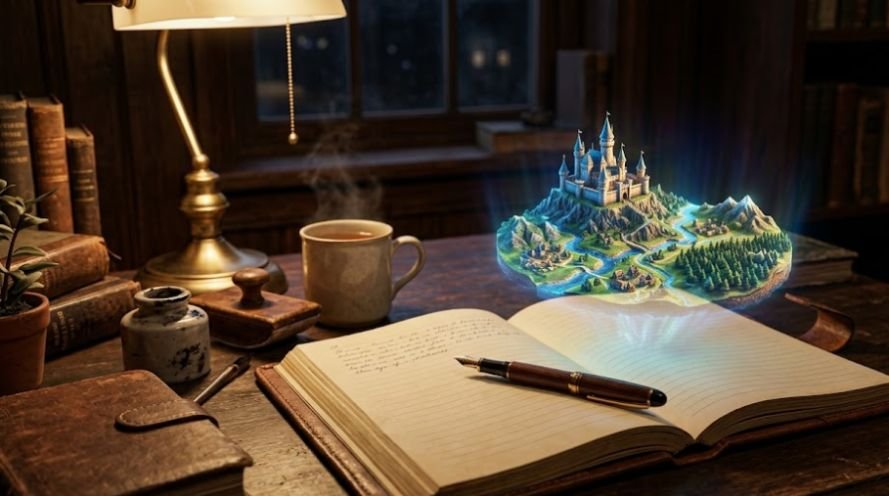
Staring at a blank page trying to sketch a map or invent a fantasy culture can make you feel completely stuck. Spending weeks filling out dry questionnaires that ask for the average rainfall of your fictional continent rarely helps you write a better book.
Discovering unique writing prompts for world building that focus on direct plot conflict is the real secret to unlocking your narrative. Worldbuilding prompts spark lore and character development by focusing on specific, everyday details that reveal the larger mechanics of your society, magic, and geography. Start with small, evocative scenes to naturally expand your universe’s depth.
The Secret Ingredient Your Story Is Missing
Let us face the truth together. Traditional world guides can feel as boring as reading a tax manual. You do not need more spreadsheet data; you need creative writing prompts for world building that actually make you want to type.
Choosing the right creative spark breathes immediate life into your setting, turning a flat backdrop into an exciting, unpredictable playground that actively challenges your characters at every turn.
Exploring Culture and Daily Life
Most online templates force you to design civilizations from the top down, starting with massive galactic empires or ancient gods. Flipping this approach on its head by starting with micro-interactions lets your reader experience the universe naturally through the eyes of the characters.
Savoring the Local Senses
Think about the last time you read a book where a simple meal felt completely unforgettable. Crafting specific details about what a commoner eats or how a regular citizen spends a copper coin grounds your fantasy setting in reality.
Describe a local delicacy, a popular street food, or a common fragrance in the air. What does this sensory detail reveal about your world’s geography or class divides? Write a scene where a wealthy noble is forced to eat this common street food for survival.
Playing the Game
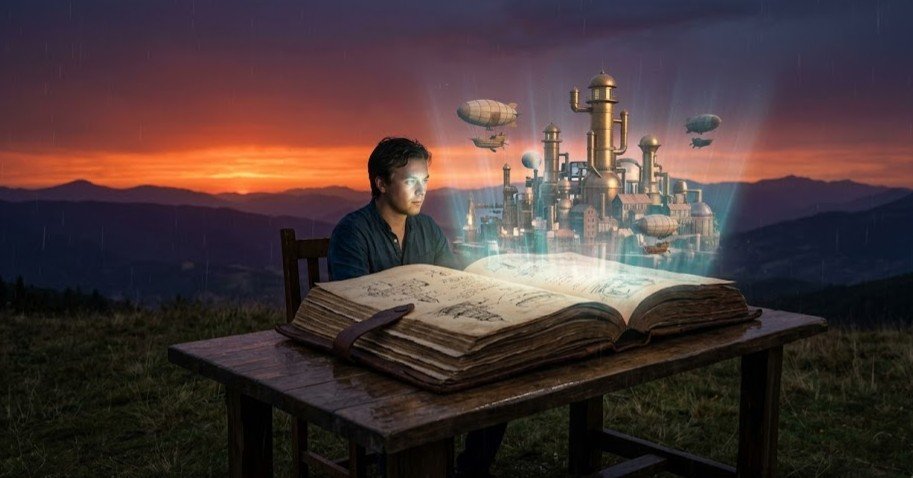
Every society invents its own ways to pass the time, bond, and compete. Designing a unique pastime for your citizens reveals what your culture values most, whether that is raw physical strength, intellectual cunning, or magical supremacy.
Outline the rules of a popular sport or board game. Is it for recreation, competition, or an expression of magical power? Show two rival characters playing this game while discussing a dangerous political secret.
Adhering to Strange Customs
What seems completely bizarre to a visitor is often a sacred, unquestioned ritual to a local inhabitant. Using these friction points allows you to highlight the cultural gaps between your protagonist and the surrounding world.
Detail a bizarre social custom or greeting that is completely normal to locals but deeply uncomfortable or confusing to outsiders. Write a scene where an outsider accidentally disrupts a sacred ceremony by missing a subtle social cue.
Navigating Strict Taboos
The true moral fabric of a society is defined by what its citizens are absolutely forbidden to do. Breaking a sacred rule creates instant narrative momentum and forces your characters to face the consequences of their choices. Write about a widely accepted taboo.
What are the consequences, whether social, legal, or physical, for breaking it? Show your main character intentionally violating this rule to save someone they love.
Mastering Magic, Tech, and Science
Creating magic systems or advanced sci-fi technology should never feel like writing a textbook manual for your readers. Giving your systems clear limitations, costs, and cultural impacts turns your background lore into an active participant in your story.
Counting the Ultimate Cost
Magic and advanced technology are most interesting to a reader when they break down, cost too much, or create unexpected societal problems. Forcing your characters to deal with the messy side effects of your world’s power source drives the plot forward.
Describe your magic system’s ultimate limit. What is the physical, mental, or resource toll of using it? Show a character pushing past this limit during a moment of absolute desperation.
Living as the Outcast
Not everyone who holds great power is celebrated by the people around them. Exploring the lives of marginalized specialists highlights the fear and prejudice built into your fictional society.
Write a scene featuring a magic user or a highly skilled individual whose profession or abilities are unpopular or mistrusted by the general public. How do they navigate a simple trip to a local market when everyone avoids their gaze?
Guarding Essential Accessibility
Knowledge is the ultimate form of power, and who controls that knowledge dictates the entire hierarchy of your world. Deciding how information flows tells the reader exactly who holds the real authority in your setting.
How is knowledge maintained and passed down? Do citizens have access to it, or is it heavily guarded? Show a young student attempting to sneak into a restricted archive to find a forbidden truth.
Engineering Around Impairment

A truly realistic world includes diverse populations who interact with their environment in unique ways. Designing specialized tools shows how your society solves everyday problems through innovation.
Describe an invention or technology specifically designed to help people with an impairment. What is it made from, and what societal role do these inventors hold? Show a character using this device to outsmart an opponent.
Uncovering History and Politics
History is not just a list of dates in a library; it is a living force that shapes how your characters view their neighbors and their past. Changing how different factions remember the exact same historical event creates instant, believable conflict.
Reading the Monument
The buildings and statues left behind by ancestors tell a story of changing values, fallen regimes, and historical evolution. Looking closely at an ancient structure can reveal hidden lies told by the current government.
Describe the oldest monument or tallest building in your world. Who built it, and has its purpose changed over time? While building your characters show them meeting in the shadow of this structure to plot a rebellion.
Navigating Broken Diplomacy
Peace is a fragile thing, and the moments where agreements fall apart usually set the stage for the current state of your world. Examining past failures explains why certain factions refuse to trust each other today.
Outline a recent, famously unsuccessful heist, failed treaty, or disbanded organization. How did this failure impact daily life for the average citizen? Show two merchants arguing over the economic fallout of this event.
Questioning the Legend
Every culture creates a story to explain where they came from, but the origin myth rarely aligns with the messy reality of the past. Uncovering the truth behind a global myth can shatter a character’s entire worldview.
Detail your world’s creation myth. How does the true history of the world differ from what the general population actually believes? Show a character discovering an ancient artifact that proves the popular myth is a lie.
Surviving the Catalyst
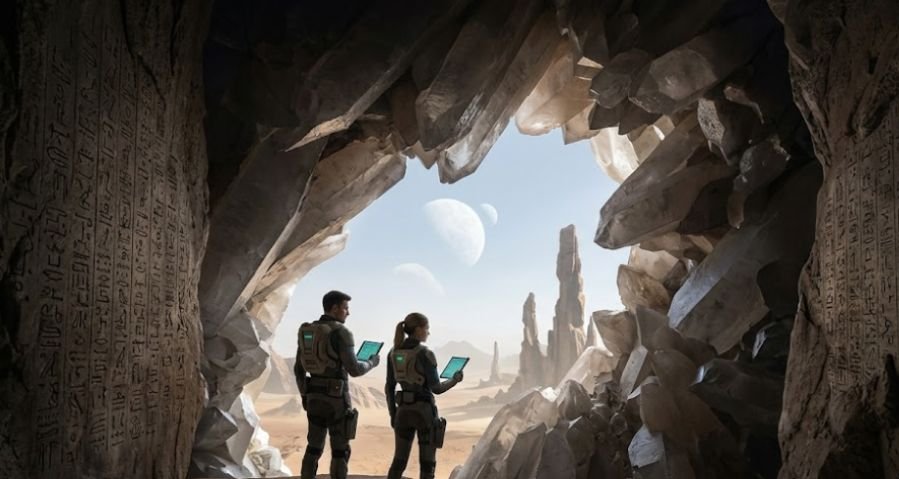
The physical geography and climate of your world should actively force the population to adapt. Dangerous, unpredictable natural phenomena shape architecture, clothing, and daily schedules. Write about an extreme weather or geological phenomenon native to your world.
What causes it, and how have cities adapted to survive it? Show your characters seeking shelter as this phenomenon strikes without warning.
Actionable Strategy and Writing Exercise
Using writing prompts for world building works best when you apply the concepts directly to your active drafting process. Instead of hoarding notes in a separate file, try integrating your new world elements straight into your scenes.
Before drafting those scenes, learn how to outline a novel so your worldbuilding choices strengthen the plot, character arcs, and pacing from the beginning.
Write a 250-word introduction from the perspective of a local inhabitant. Introduce a single, commonplace detail that subtly reveals a larger, more complex aspect of your world, such as its history, magic, or societal hierarchy, while they go about their daily routine.
Keep the pieces that naturally create dramatic tension between your characters and cut any details that slow down your pacing.
Frequently Asked Questions
1. How to describe world building in writing?
Weave your setting details directly into character actions and immediate sensory observations. Avoid large paragraphs of raw background information, and let readers discover the rules of your universe naturally as the plot actively unfolds.
2. What are the four C’s of world building?
The four C’s stand for Culture, Cosmos, Conflict, and Commerce. Balancing these four distinct pillars ensures your fictional universe feels completely realistic, structurally stable, and full of natural tension for your characters to navigate.
3. What are some good writing prompt ideas?
Excellent prompts always focus on a clash between an individual and a strange rule. Try using specific writing prompts for world building that focus on a character breaking a minor cultural law, or using magic that carries an unexpected cost.
4. What is the golden rule of worldbuilding?
The golden rule is internal consistency. Whatever wild rules you create for your magic, technology, or society, you must follow them strictly throughout your entire story so your readers can trust the stakes of your plot.
Master Your Setting to Bring Your Universe to Life
Finding the right writing prompts for world building is ultimately about creating a playground where your characters can face meaningful stakes. True depth comes from how your setting forces your protagonists to make difficult, unexpected choices. Grab your favorite notebook, pick a single prompt from this guide, and start injecting fresh life into your fictional universe today.