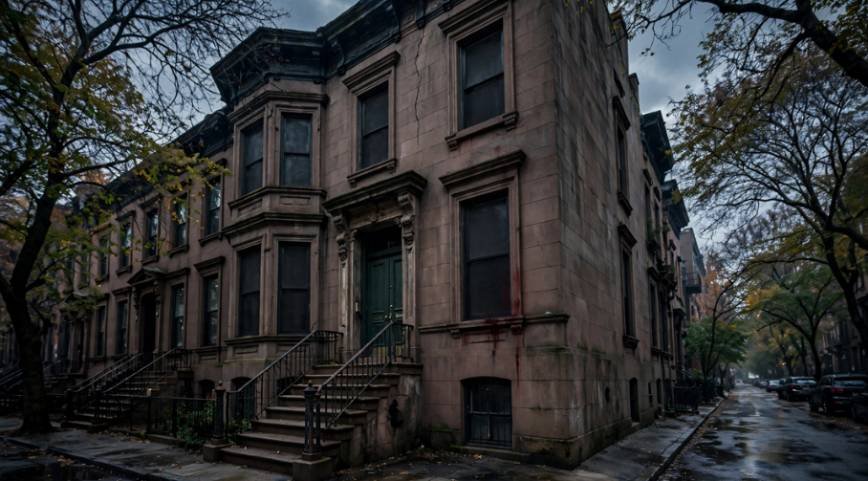
A dream Brooklyn brownstone should represent arrival. Brenda Iijima turns it into evidence against the people living inside it. In this shelter is necessary for existence brenda iijima book review, what interests me most is not simply whether Sue’s new house is haunted. It is how desperately she tries to make comfort look innocent.
Shelter Is Necessary for Existence blends psychological thriller, literary horror, domestic nightmare, and social satire. Its affluent family wants security, status, and a beautifully renovated home. Instead, the house begins exposing everything they would rather keep behind freshly finished walls.
That makes Iijima’s premise unusually sharp. The threatening thing is not only what happened in the house before Sue arrived. The deeper threat is her ability to notice something disturbing and continue shopping, renovating, comparing, rationalizing, and carrying on.
What Is Shelter Is Necessary for Existence About?
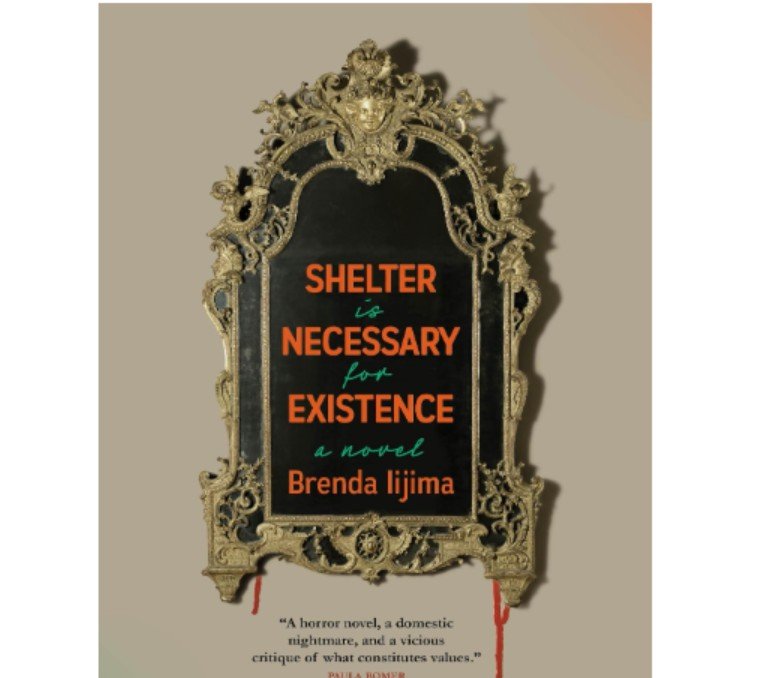
Image Credit: Amazon
Sue is a corporate environmental attorney living in Brooklyn with her husband, Luke, and their children, Caroline and Wheatley. The family appears to embody upward mobility. Yet Sue remains restless.
They buy a deteriorating brownstone at auction on a desirable, tree-lined street. Renovating it soon becomes more than a practical project. It turns into an obsession tied to Sue’s social ambitions and dissatisfaction.
The family’s new beginning quickly develops cracks.
After moving in, Sue discovers that a mother and daughter who previously lived there died under mysterious circumstances. Their presence seems to linger. The house develops disturbing physical signs, including wounds that bleed, while Caroline and Wheatley begin showing troubling symptoms. Sue’s nightmares intensify as her grip on ordinary life weakens. Penguin Random House’s official description presents the novel as both psychological thriller and social satire, centered on a family’s increasingly unstable dream home.
What elevates the shelter is necessary for existence brenda iijima book review beyond a haunted-house plot is Iijima’s choice of protagonist. Sue is not merely trapped inside the horror. She helps create the conditions that make it possible.
Why Sue Makes This Psychological Thriller So Uncomfortable

Sue may be the novel’s most effective source of dread.
She works in environmental law, which immediately creates a meaningful contradiction. Her profession suggests awareness of ecological consequences. Her lifestyle remains deeply invested in acquisition, status, property, and insulation from discomfort.
Iijima has described Sue as distracted, dissociative, competitive, and prone to missing vital cues. She also identifies the character as an antihero facing what she calls “banal horror.”
Banal Horror Is More Frightening Than a Monster
That idea changes how I read the premise.
Traditional haunted-house fiction often introduces an outside force. Something evil invades the home.
Here, the frightening material already exists within the family’s habits. Social competition, mortgages, consumption, historical amnesia, racial tension, and environmental crisis sit beside supernatural unease.
The horror becomes mundane enough to normalize.
Readers drawn to destabilizing contemporary fiction such as acid green velvet grace krilanovich book may appreciate that refusal to separate psychological disorder from the wider culture producing it.
Renovation Becomes Moral Camouflage
My strongest takeaway from the novel’s setup is that renovation works as a metaphor for denial.
Sue encounters deterioration and responds by redesigning surfaces. She discovers uncomfortable history and seeks greater control over her environment.
That pattern matters.
A renovation normally reveals hidden wiring, damaged foundations, old pipes, and previous alterations. Iijima reverses the fantasy of improvement. Every attempt to create the perfect interior seems capable of exposing another layer beneath it.
The brownstone therefore becomes more than a haunted building. It operates like Sue’s psychology: expensive on the surface, unstable underneath.
That is where the shelter is necessary for existence brenda iijima book review becomes especially compelling. The question stops being “What is wrong with this house?” and becomes “What does this family need the house to hide?”
Literary Horror, Social Satire, and a Haunted Brooklyn Brownstone
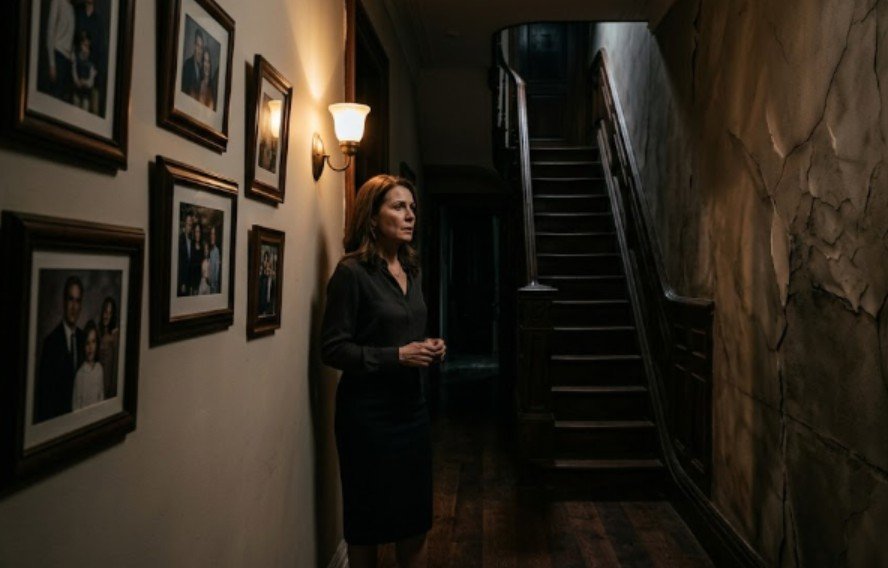
Iijima does not appear interested in clean genre boundaries.
Two Dollar Radio calls the novel social satire wrapped in the form of a psychological thriller. The publisher also positions its dark humor alongside its atmosphere of dread.
That combination fits the subject.
A prestigious brownstone can represent stability, cultural capital, investment, taste, and social achievement. Turning that same property into a hostile psychological space punctures the fantasy immediately.
The satire also works because Sue remains embedded in a social network built around aspiration. Her therapist Diana and neighbor Chantal become reference points against which she measures herself. Desire does not originate entirely inside Sue. It circulates through everyone around her.
That social pressure gives the novel common ground with politically aware absurdist fiction such as yniga glenn diaz book, where systems often become visible through characters who have learned to treat absurd conditions as normal.
Iijima’s trick is similar in spirit: make normal behavior strange enough that readers finally notice it.
Wealth, Safety, Privilege, and Climate Anxiety
The title contains the novel’s central irony.
Shelter really is necessary for existence. Human beings need somewhere safe to live. But shelter becomes something different once necessity turns into accumulation, speculation, status, and exclusion.
Sue does not simply want protection. She wants the correct neighborhood, house, objects, appearance, and social position.
This distinction gives the shelter is necessary for existence brenda iijima book review its most interesting political dimension. The novel does not attack the desire for safety. It asks who gets to purchase insulation from danger and what must remain invisible for that insulation to feel comfortable.
Climate anxiety sharpens the contradiction.
Advance descriptions place the family within an America facing environmental crisis while remaining committed to material consumption and upward mobility. One of the book’s darkest jokes may therefore be Sue’s career itself: an environmental attorney constructing an increasingly elaborate private refuge while larger systems become impossible to ignore.
My original reading of the house is that it functions almost like a moral balance sheet. Every improvement adds apparent value while another hidden liability emerges. Renovation cannot erase history; it merely changes what visitors see first.
Who Should Read Brenda Iijima’s Novel?
This book looks best suited to readers who prefer horror with an intellectual bite.
The supernatural elements matter, but the novel’s real engine appears to be psychological and social discomfort. Readers seeking constant jump scares may find its slow accumulation of dread less conventional.
Readers interested in dysfunctional families, unreliable perspectives, housing as status, class satire, climate anxiety, and contemporary literary horror have much more to work with.
Anyone intrigued by strange fiction such as theres a monster in the lake laura fernandez book may also appreciate a novel where reality becomes unstable without abandoning social observation.
One useful note for US readers: publication metadata currently varies by listing. Two Dollar Radio’s page gives October 6, 2026 and 300 pages, while Penguin Random House’s US listing currently gives October 27, 2026 and 288 pages. Because the novel is forthcoming as of August 19, 2026, buyers should check the final retailer edition before ordering.
My Verdict: You Cannot Renovate Your Way Out of Reality
What makes this shelter is necessary for existence brenda iijima book review memorable is the nasty elegance of its central metaphor.
Sue buys a house because she wants greater control. Instead, the property makes control increasingly impossible.
The renovation promises transformation without moral change. The haunting refuses that deal.
Iijima’s most provocative idea is that privilege does not always look villainous. Sometimes it looks like tasteful furniture, professional competence, desirable schools, therapy appointments, real-estate anxiety, and another improvement project.
That is much harder to dismiss.
Based on the official synopsis, author interview, and advance critical material, Shelter Is Necessary for Existence looks like a strong choice for readers who want literary horror that leaves fingerprints on contemporary American life. Put it on your fall reading list if your preferred haunted houses come with mortgages, social ambition, climate guilt, and absolutely no respect for fresh paint.
Frequently Asked Questions
1. Is Shelter Is Necessary for Existence a horror novel?
Yes. It combines literary horror and haunted-house elements with psychological thriller and dark social satire.
2. Who narrates Shelter Is Necessary for Existence?
Sue, an affluent Brooklyn corporate environmental attorney, narrates the story from inside her increasingly unstable family life.
3. When is Shelter Is Necessary for Existence published?
It is scheduled for October 2026, although current US publisher and distributor listings show different exact release dates.
4. Is Shelter Is Necessary for Existence worth reading?
For readers who enjoy cerebral horror, class satire, dysfunctional families, and social commentary, the shelter is necessary for existence brenda iijima book review points to a particularly intriguing 2026 release.