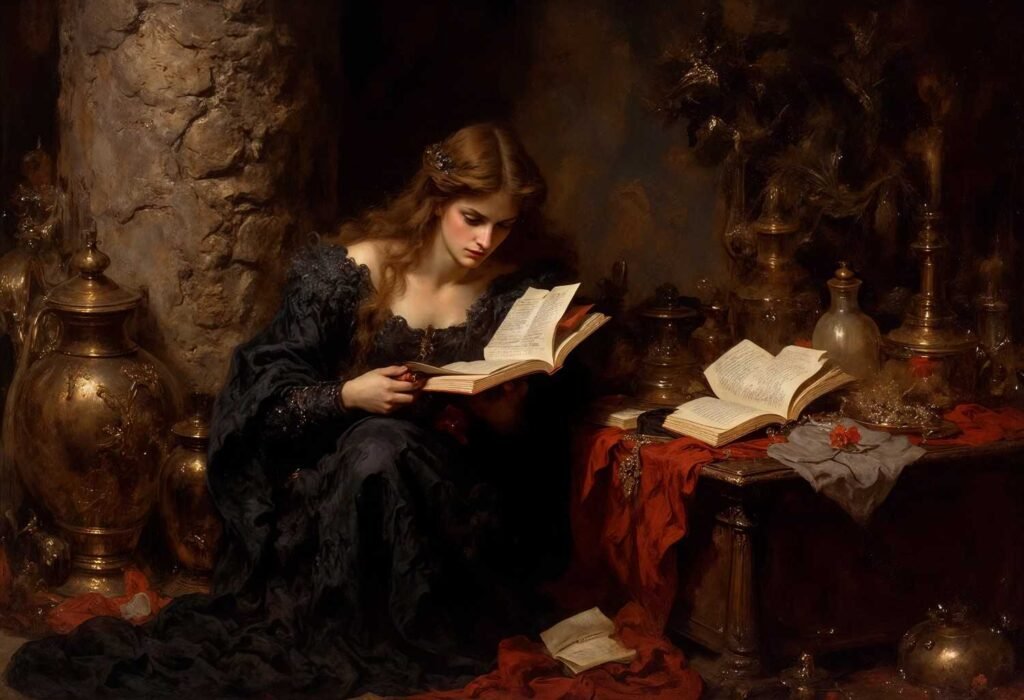
The American South has inspired some of the nation’s most unsettling fiction. Behind grand porches, church doors, family traditions, and small-town manners, Southern Gothic writers uncover violence, prejudice, obsession, loneliness, and secrets that refuse to stay buried.
In this blog about Southern Gothic literature authors and books, I’ll introduce the defining voices, essential classics, and modern works that keep the genre urgent.
What Is Southern Gothic Literature?
Southern Gothic literature is a branch of Gothic fiction primarily set in, or deeply connected to, the American South. Instead of European castles, it turns Mississippi farms, Alabama mansions, Georgia mill towns, Tennessee backroads, and New Orleans neighborhoods into disturbing landscapes.
The genre reflects slavery, the Civil War, Reconstruction, segregation, poverty, religious conflict, and rigid class expectations. Its writers use damaged or delusional characters, grotesque situations, dark humor, supernatural disturbances, and decaying surroundings to challenge romanticized ideas about Southern life.
Quick answer: Southern Gothic fiction uses eccentric characters, unsettling events, and deteriorating settings to expose the moral and social contradictions of the American South.
What Are the Main Southern Gothic Characteristics?
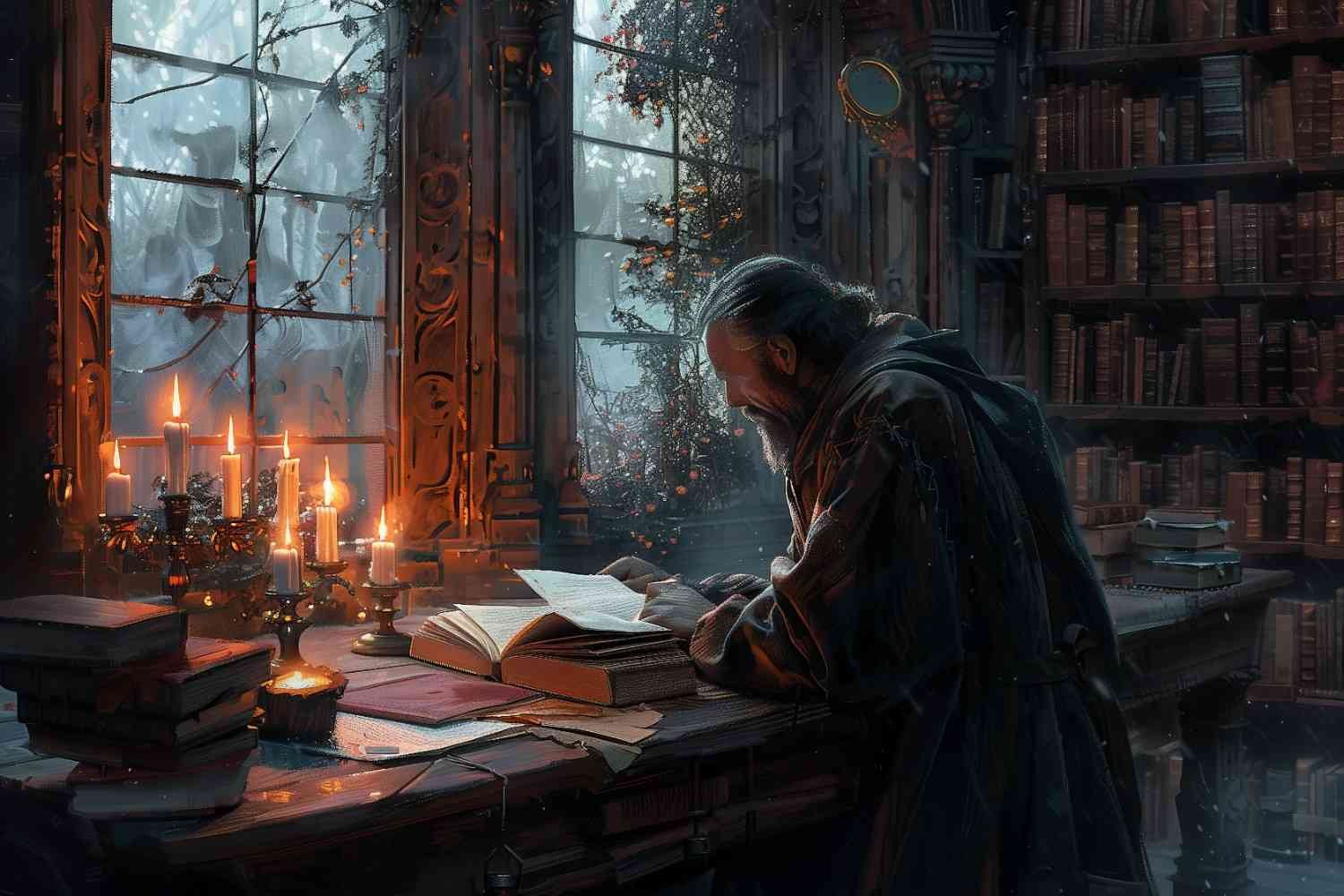
| Element | Meaning | Memorable example |
| The grotesque | Obsessive or isolated characters who remain recognizably human | Hazel Motes in Wise Blood and Emily Grierson in “A Rose for Emily” |
| Decaying settings | Neglected mansions, farms, and towns that mirror social collapse | Sutpen’s estate and old New Orleans |
| Social anxiety | Conflict involving race, class, gender, religion, and slavery’s legacy | Maycomb and Jojo’s family |
| Dark humor | Irony beside terror, death, or moral failure | The grandmother’s encounter with the Misfit |
Ghosts and curses appear often, but they are not essential. Some classic Southern Gothic novels create dread through cruelty, isolation, and psychological collapse.
Who Are the Most Important Southern Gothic Authors?
Why Should You Start With William Faulkner?
William Faulkner shaped a Mississippi universe defined by memory, racial violence, family decline, and the collapse of the Old South. As I Lay Dying (1930) follows a family carrying their mother’s corpse across Mississippi.
Absalom, Absalom! (1936) traces Thomas Sutpen’s rise and ruin as an allegory of plantation ambition. His 1930 story “A Rose for Emily” hides a gruesome secret inside a decaying home.
Which Flannery O’Connor Books Define the Genre?
Flannery O’Connor combined religious obsession, grotesque characters, violence, and savage comedy. A Good Man Is Hard to Find (1955) remains an accessible Southern Gothic short story collection. Wise Blood (1952) follows Hazel Motes as he starts an anti-religious ministry, while The Violent Bear It Away (1960) places a boy between fanaticism and secular rationalism.
What Did Carson McCullers and Cormac McCarthy Add?
Carson McCullers made loneliness feel Gothic. The Heart Is a Lonely Hunter (1940) examines isolated outsiders in a Georgia mill town, while The Member of the Wedding (1946) follows a disconnected 12-year-old seeking belonging. The Library of Congress identifies both McCullers and O’Connor as major Southern Gothic voices associated with Georgia.
Cormac McCarthy pushed American Southern Gothic literature toward brutality. Outer Dark (1968) involves incest, an abandoned child, and wandering killers. Child of God (1973) follows a displaced Tennessee man’s descent into murder and necrophilia.
Which Standalone Southern Gothic Classics Should You Read?
Harper Lee’s To Kill a Mockingbird (1960) is primarily courtroom and coming-of-age fiction, yet racial injustice, childhood fear, hypocrisy, and Boo Radley give it strong Gothic elements. Tennessee Williams’ A Streetcar Named Desire (1947) turns Blanche DuBois’ mental collapse into a tragedy about brutality and fading Southern grandeur.
Truman Capote’s Other Voices, Other Rooms (1948) places a boy’s search for identity inside a decaying Alabama mansion. Eudora Welty brought folklore, family tension, and psychological unease to Southern fiction. Barry Hannah’s Airships (1978) modernized the tradition through surreal, violent short stories.
What Are the Best Contemporary Southern Gothic Books?
Donna Tartt’s The Little Friend (2002) follows a Mississippi girl investigating her brother’s unsolved death. The book’s Mississippi setting and focus on childhood, innocence, and evil place it naturally within modern Southern Gothic conversations.
Jesmyn Ward’s Sing, Unburied, Sing (2017) combines ghosts, incarceration, racism, addiction, and generational trauma. Ward’s work directly confronts slavery’s continuing impact rather than treating the past as something safely concluded.
Michael McDowell’s six-volume Blackwater series, first published in 1983, blends Alabama family ambition with supernatural horror and a mysterious matriarch. The publisher describes it as a modern horror classic and confirms that it originally appeared in six volumes.
LaTanya McQueen’s When the Reckoning Comes (2021) uses a wedding at a former plantation to confront historical denial and racial violence.
Toni Morrison’s Beloved crosses historical fiction, ghost story, magical realism, and American Gothic. Although not always labeled strictly Southern Gothic, its treatment of slavery, haunting, motherhood, and inherited trauma makes it essential to the wider conversation.
How Do You Choose Your First Southern Gothic Book?

I recommend A Good Man Is Hard to Find for short-fiction readers and To Kill a Mockingbird for those drawn to justice and coming-of-age stories. Choose Sing, Unburied, Sing for a modern ghost story, The Heart Is a Lonely Hunter for emotional character study, or As I Lay Dying for a demanding classic.
The best Southern Gothic books range from plays and story collections to mysteries, literary novels, and supernatural family sagas.
Frequently Asked Questions (FAQs)
1. Who are the four major Southern Gothic authors?
William Faulkner, Flannery O’Connor, Carson McCullers, and Eudora Welty are widely recognized as foundational voices.
2. What is the best Southern Gothic book for beginners?
A Good Man Is Hard to Find offers an approachable introduction to grotesque characters, religious tension, dark comedy, and violence.
3. What is the difference between Gothic and Southern Gothic literature?
Traditional Gothic fiction often uses castles and European settings; Southern Gothic places similar dread in the US South to examine regional history and injustice.
4. Are all books set in the South Southern Gothic?
No. The work generally needs Gothic atmosphere, grotesque characters, decay, secrecy, violence, haunting, or related social criticism.
Why Does Southern Gothic Literature Still Matter?
The strongest Southern Gothic literature authors and books do more than create eerie entertainment. They question who controls regional history, whose suffering gets hidden, and how racism, poverty, religion, violence, and family trauma pass between generations. Reading Indigenous literature books by native authors can deepen this conversation by offering additional perspectives on land, memory, identity, cultural survival, and historical erasure.
For me, that clash between a polished surface and a disturbed reality makes the genre one of the most revealing traditions in US literature.