
This Heart Lamp book review asks the question that matters: does Banu Mushtaq’s award-winning collection deserve its acclaim? For me, it does. Its power comes from accumulation. Each domestic slight, public humiliation, and act of refusal adds weight until ordinary life feels politically charged.
Translated from Kannada by Deepa Bhasthi, the collection gathers 12 stories written between 1990 and 2023. It became the first short-story collection and the first work translated from Kannada to win the International Booker Prize.
Heart Lamp Book Review: My Quick Verdict
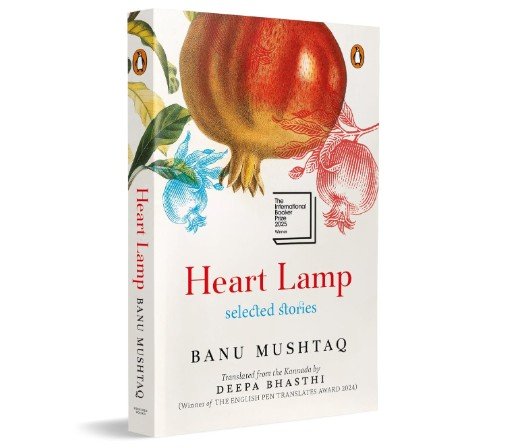
Image source: Amazon
My Heart Lamp book review verdict is clear: this is an emotionally demanding collection with a fierce moral center. Mushtaq writes about Muslim women in southern India without reducing them to symbols of suffering. They argue, improvise, protect, endure, and sometimes rebel.
The stories can feel repetitive when read back-to-back. Several return to abandonment, coercive marriage, domestic violence, and failed community leadership. Yet that repetition makes a point. Oppression is rarely one dramatic event. It is a system that keeps changing clothes.
Foreshadowing creates dread and keeps the stories moving. However, it can also make some of the bleak outcomes predictable.
I would rate the collection 4.5 out of 5. Its strongest qualities are character work, tonal control, and cultural specificity. Its main weakness is that some outcomes become clear before the final turn.
A Three-Pressure Reading of Heart Lamp
What makes this Heart Lamp book review different is the framework I used to assess the collection. Most conflicts develop through three connected pressures: the home, the community, and language. Together, they show how private pain becomes social control.
The Home Turns Everyday Life Into Conflict
Mushtaq treats the household as a pressure chamber where money, motherhood, marriage, desire, and reputation collide.
In the title story, Mehrun reaches a breaking point after her husband takes a second wife. Her children pull her back toward life, making motherhood both a burden and an anchor.
Women across the collection must hold families together while receiving little protection. Their labor seems ordinary until it stops. Then everyone notices its value.
This is one of Mushtaq’s sharpest observations. Domestic work becomes invisible precisely because women perform it so consistently. The household only recognizes their importance when that stability begins to collapse.
The Community Becomes Court and Cage
“Black Cobras” expands domestic injustice into a public crisis. Aashraf seeks support after abandonment, but the religious custodian dismisses her claim. Her protest outside the mosque exposes a contradiction: the community demands female obedience yet avoids responsibility for female survival.
Husbands may cause immediate harm, but relatives, clerics, neighbors, and customs preserve it. Mushtaq’s work as a lawyer, journalist, and activist sharpens this view of institutions. Her publisher links the stories to decades of advocacy for women’s rights and resistance to caste and religious oppression.
The collection therefore reaches beyond individual villains. It examines structures that allow neglect to appear normal. That wider focus gives the stories their political force.
Language Carries Social Power
Deepa Bhasthi does not flatten the stories into neutral English. She keeps regional rhythms, cultural terms, and the sense that several languages coexist inside one conversation.
Bhasthi calls her method “translating with an accent.” The Booker Prize Foundation praised the translation for creating new textures through multiple Englishes.
That choice matters because power appears through forms of address, family vocabulary, religious language, and social tone. A smoother translation might feel easier, but it would weaken Mushtaq’s world.
For US readers new to Kannada literature, unfamiliar expressions may require slower reading. That unfamiliarity becomes part of the experience rather than a translation flaw.
Standout Stories in Heart Lamp: Selected Stories
The title story remains the emotional center of this Heart Lamp book review. “Heart Lamp” captures despair without turning Mehrun into a passive victim. Her crisis grows from betrayal, exhaustion, and the fear that her life has become replaceable.
The intervention of her eldest daughter prevents the story from becoming a simple tragedy. It reveals how children can understand domestic violence even when adults try to hide it.
“Black Cobras” feels more confrontational. Aashraf’s public protest turns shame toward the men and institutions that failed her. The story is painful, yet it carries the collection’s sharpest sense of moral theater.
“A Decision of the Heart” works on a smaller scale. It examines conflict between a wife and mother-in-law through a husband who cannot manage either relationship. Mushtaq finds comedy in his discomfort without hiding the unequal burden placed on women.
These stories show why the dry wit matters. Without humor, the book could become relentlessly bleak. With it, the characters retain intelligence, unpredictability, and social power.
Heart Lamp Book Review: Patriarchy, Resilience, and Easy Hope
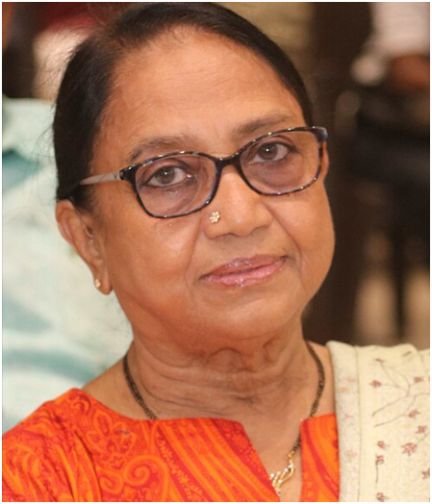
Image source: Wikipedia
Many readers may call the book a study of resilience. That is true, but the word can sound too comforting. Mushtaq’s women do not always overcome their conditions. Often, they find one more way to survive them.
The book does not turn suffering into inspiration. It asks who benefits from female patience, who praises endurance, and who escapes accountability.
That distinction gives the collection greater honesty. Survival is not presented as proof that injustice no longer matters. It is evidence of how much women must carry when social systems refuse to protect them.
Mushtaq has said her stories draw on women’s suffering, daily events, and personal experiences. She connects them to the obedience demanded by religion, society, and politics.
This proximity gives the fiction authority. Mushtaq understands how institutional language can hide cruelty behind respectability. Yet her humor keeps the stories from reading like legal arguments.
Heart Lamp Book Review: Is It Worth Reading?
This Heart Lamp book review recommends the collection to readers who value translated fiction, feminist literature, morally complex families, and short stories with strong social context.
It may not suit readers seeking escapism, tidy endings, or major thematic shifts between stories. The atmosphere remains heavy, and several male characters display cruelty with little self-awareness.
The recurring domestic conflicts may also feel formulaic when the stories are consumed too quickly. That is why I would avoid reading the collection in one or two long sessions.
Readers interested in unsettling international fiction may also enjoy The Witch by Marie NDiaye book. Both works examine family power and female vulnerability, although their styles and cultural settings differ.
My practical tip is to read two or three stories at a time. That pace preserves their individuality and reduces the sense of repetition.
Frequently Asked Questions
1. What is Heart Lamp by Banu Mushtaq about?
It contains 12 stories about women, family conflict, faith, social pressure, resistance, and survival in southern India.
2. Did Heart Lamp win the International Booker Prize?
Yes. It won in 2025, becoming the first short-story collection and first Kannada-translated winner.
3. Is Heart Lamp difficult to read?
The prose is accessible, but the themes include abandonment, domestic abuse, poverty, coercion, and suicidal despair.
4. Is the Heart Lamp English translation good?
Yes. Deepa Bhasthi preserves regional texture and multilingual rhythms instead of replacing them with standardized English.
The Last Word: This Lamp Burns Back
My final Heart Lamp book review judgment is that Mushtaq’s collection earns its acclaim. It is not flawless, and recurring themes can make the structure feel familiar. Still, its emotional precision, dark humor, and institutional critique give the stories lasting force.
The book refuses to confuse silence with weakness. Its women may be cornered, dismissed, or betrayed, but they continue to speak.
Read it slowly. Notice how power moves through kitchens, marriages, religious spaces, and ordinary conversations. Then let each story settle before lighting the next one.