
Finishing my first draft always feels like crossing the finish line—until I remember that publication requires another lap. A promising draft may contain a memorable character and an original premise, but an editor also expects control, clarity and purpose on every page.
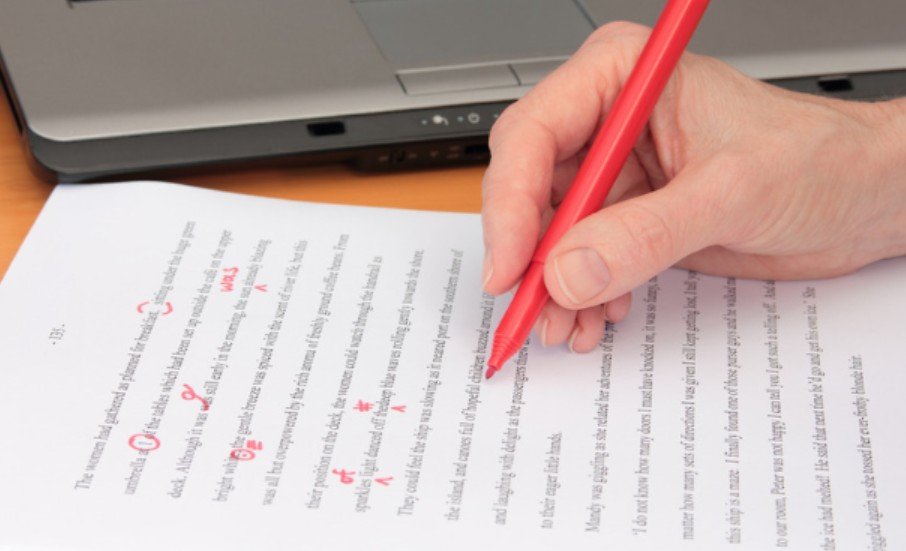
When I consider how to edit a short story for publication, I separate the work into deliberate passes. I correct the story before polishing its sentences, test it with another reader and only then prepare the submission file. This process keeps me from wasting time perfecting paragraphs that may eventually be removed.
Put the Draft Away Before Editing
Distance makes weaknesses easier to see. After finishing the story, I set it aside for several days or, when possible, a few weeks. I work on something unrelated rather than repeatedly reopening the file.
When I return, I save a new version and read the entire story without editing it. I record my reactions separately:
- Where did my attention weaken?
- Which moment surprised me?
- What did the protagonist want?
- What changed by the final page?
- Which passages confused me?
This initial reading reveals the reader’s experience before sentence-level corrections distract me.
Identify the Story’s Essential Promise

A short story needs a clear dramatic centre. I summarise the story in one sentence containing the protagonist, desire, obstacle and consequence. This approach reflects the 3 o’s in writing by keeping the narrative focused on its central objective, obstacle and outcome. If I cannot identify those elements clearly, the story may be trying to follow too many ideas.
I then examine whether the opening introduces that promise and whether the ending completes, complicates or deliberately transforms it. Every major section should contribute to this movement.
Test Character Motivation
A character’s actions must arise from believable desires, fears or pressures. Convenience is not motivation. If the protagonist makes an important decision solely because the plot requires it, I either strengthen the reason or change the event.
Working through internal conflict vs external conflict examples can help clarify whether a character’s motivation is driven by something believable inside them or is simply reacting to outside events.
I also remove unnecessary background details. Readers need enough information to understand the character’s choices, but they do not need a complete biography.
Make Every Scene Earn Its Place
Space is limited in short fiction. Every scene should change at least one important element: knowledge, emotion, danger, relationships or opportunity.
For each scene, I ask:
- What does the character want here?
- What prevents them from getting it?
- What is different when the scene ends?
- Would the story still work without it?
If removing a scene changes nothing, I cut it or combine its strongest element with another scene. This creates momentum without making the story feel rushed.
Strengthen the Opening
An editor may decide quickly whether to continue reading. The opening therefore needs more than attractive description. It should create movement, tension, curiosity or an unanswered question.
I look carefully at the first paragraph and remove throat-clearing material, excessive setting description and background information. The reader does not need to understand everything immediately. They need a reason to continue though when setting does stay, it should be doing real work, the way every location can become a powerful storytelling tool rather than passive scenery.
A strong opening usually establishes a character, a situation and some form of instability. It enters the story near the moment when ordinary circumstances begin to change.
Build a Satisfying Ending
A satisfying ending does not have to be happy or completely resolved. It should feel earned by the choices, images and conflicts established earlier.
I test the ending by removing its final sentence, then the sentence before it. This helps me discover whether I have continued explaining after the real emotional ending. I also check whether the conclusion relies on a surprise that has no earlier foundation.
The strongest endings often create both completion and resonance: the immediate conflict reaches a meaningful point while the final image or decision gives the reader something larger to consider.
Conduct Separate Editing Passes

Trying to correct everything at once makes editing inconsistent. My preferred method for how to edit a short story for publication is to move from the widest concerns to the smallest.
Structural Pass
I check conflict, character development, scene order, chronology and cause-and-effect. Large revisions belong here.
Pacing Pass
I mark passages where nothing changes. I shorten repetitive explanations and give significant emotional moments enough room to register.
Point-of-View Pass
I check whose perspective controls each scene and remove details that character could not reasonably notice or know. I also verify that tense remains consistent.
If a scene’s perspective feels unclear during this pass, how to choose the right point of view for your story is worth revisiting before making further cuts.
I read conversations aloud. I cut greetings, repeated information and dialogue that exists only to explain the plot. Each speaker should sound distinct without depending on unusual spellings or excessive dialogue tags.
Line-Editing Pass
I replace vague language, remove filler words and vary sentence length. I also review clichés and article titles to ensure the writing remains concise and appropriate for the publication. Finally, I cut unnecessary adverbs, repeated descriptions and filter phrases such as “she noticed” when direct description would be stronger.
Proofreading Pass
Only after revisions are complete do I correct spelling, punctuation, grammar, paragraph breaks and typographical errors. Reading aloud or reviewing the story backwards, one paragraph at a time, can expose overlooked mistakes.
Ask Beta Readers Focused Questions

General questions often produce general praise. Instead of asking whether someone liked the story, I ask where they became confused, when they first understood the protagonist’s goal and whether the ending felt earned.
I look for patterns rather than obeying every suggestion. If several readers identify the same problem, I investigate it carefully. Their proposed solution may not suit the story, but the shared difficulty is valuable evidence.
Prepare the Submission File
Before submitting, I read the publication’s current guidelines. Requirements concerning word count, font, spacing, file type, including the biographies, cover letters and simultaneous submissions vary.
If blind judging is required, I remove my name and identifying details from the manuscript. I also check whether the publication accepts previously published work and whether online posting counts as prior publication.
I save a separate submission copy, confirm the document opens correctly and proofread it after conversion. Formatting changes can introduce misplaced symbols, missing scene breaks or altered spacing.
Frequently Asked Questions
1. How many editing passes does a short story need?
There is no fixed number. Most stories benefit from separate structural, pacing, line-editing and proofreading passes. Continue until changes improve the story rather than merely make it different.
2. Should I hire a professional editor?
Professional feedback can help, but it is not mandatory for every submission. Thorough self-editing and perceptive beta readers may be sufficient, particularly for shorter work.
3. What is the best method for how to edit a short story for publication?
Begin with structure and character motivation, then evaluate scenes, pacing, point of view and dialogue. Finish with line editing, outside feedback, proofreading and submission formatting.
4. When is a short story ready to submit?
It is ready when the central conflict is clear, every scene contributes, the ending feels earned, feedback no longer exposes major confusion and the manuscript follows the chosen publication’s requirements.
Final Thoughts
I know a story is approaching readiness when I can explain why each scene exists and when further tinkering starts changing preferences rather than solving problems. Editing cannot guarantee acceptance, but it can ensure that avoidable weaknesses do not hide the story’s real value.
My final step is simple: I reread the guidelines, check the file and submit. A manuscript cannot find its audience while it remains permanently trapped in revision.