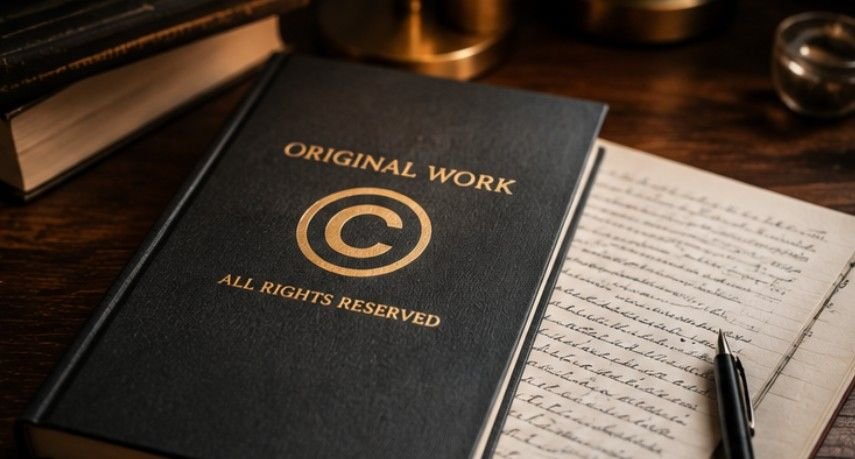
Here is the fact many first-time authors miss: your manuscript is already protected before you register it. U.S. copyright begins when original writing is fixed in a tangible form, such as a saved manuscript file or pages in a notebook.
Learning how to copyright a book is therefore less about creating copyright and more about registering an existing right so it is easier to prove and enforce. The U.S. Copyright Office recommends registration because it creates a public record and provides additional legal benefits.
Your Book Has Copyright Before You File
A book does not need a certificate, ISBN, publisher, or copyright notice before protection begins. The Copyright Office says original writing is protected once it is fixed. That protection covers your creative expression: sentences, scenes, descriptions, and other original material.
It does not give you ownership of an idea, fact, method, title, name, or short phrase. Two authors can write about similar premises if neither copies the other’s protected expression. That distinction also helps explain the difference between book review and literary criticism: copyright can protect each critic’s original wording, not the underlying opinion.
Why Registration Still Matters
For a U.S. work, registration is generally required before bringing an infringement lawsuit in federal court. Timing matters too. Federal law can preserve eligibility for statutory damages and attorney’s fees when registration occurs before infringement, or within three months after first publication in qualifying cases.
That makes registration practical risk management. Writers can review the official Copyright Office guidance to engage writers before filing.
How to Register a Book Step by Step
For most authors, online filing through the U.S. Copyright Office registration portal is the simplest route.
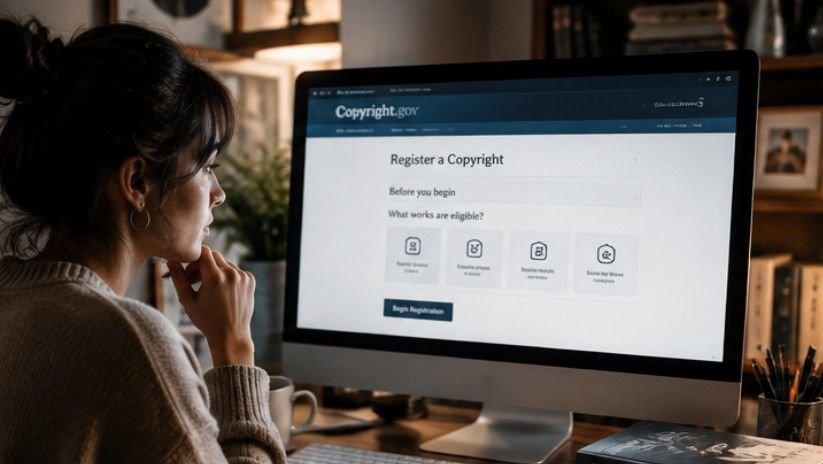
1. Decide Whether the Book Is Published
The application asks whether the work is published or unpublished. Publication is a legal concept, not simply announcing a book online. In general, it involves distributing copies to the public or offering copies to a group for further distribution, public performance, or display.
2. Choose the Right Application
The Single Application has strict eligibility rules: one work, one individual author, the same person as sole claimant, and no work made for hire. The Standard Application covers broader situations, including joint authorship and works containing material created or owned by others.
| Filing option | Current online fee | Typical fit |
| Single Application | $45 | One qualifying work by one individual author |
| Standard Application | $65 | Most other single-work claims |
These are the current fees as of August 17, 2026. The Copyright Office submitted a proposed new schedule to Congress on July 14, 2026 and aims to implement it in fall 2026. The proposal would raise the Single Application fee to $55, so check the fee schedule before filing.
3. Enter Authorship and Ownership Accurately
Provide the title, completion year, publication details if applicable, author, claimant, and the copyrightable material being registered.
Authors may register pseudonymous works under a pen name. Registration records can expose claimant information publicly, so privacy-conscious writers should consider a PO box, business address, or other permitted alternative to a home address.
4. Pay and Submit the Deposit
A complete claim includes the application, nonrefundable fee, and a deposit copy. Unpublished books and works published only online can generally use electronic deposits.
For physically published U.S. books, special deposit rules can apply. Recent Copyright Office guidance says many literary monographs may be registered with one copy of the best edition, though mandatory-deposit obligations are separate. Follow the instructions for your exact format rather than assuming a PDF upload is always enough.
Add a Copyright Page Without Confusing It With Registration
A copyright page is useful, but it does not replace federal registration. A simple notice can be:
© 2026 Author Name
All rights reserved.
For works published on or after March 1, 1989, a copyright notice is generally optional in the United States. Still, it identifies the claimed owner and puts readers on notice.
If your book contains third-party photographs, illustrations, substantial quotations, or translated material, document licenses and permissions. That matters for publishers handling culturally specific collections, including Indigenous literature books by Native authors, where authorship and permission should never be assumed from online availability.
What Copyright Registration Does Not Cover
Registration does not create ownership of a premise, genre, historical fact, writing method, title, or short phrase. It protects copyrightable expression.
If a coauthor, illustrator, photographer, translator, or designer contributed material, resolve ownership in writing before filing.
AI-assisted books add another wrinkle. In 2025, the Copyright Office concluded that generative-AI output can receive protection only where a human author contributes sufficient expressive authorship; prompting alone is not enough. Human-authored parts can still qualify when AI tools assist.
Before registration, finish major revisions where practical. If the manuscript is still changing substantially, first strengthen the opening pages of your novel. Minor corrections normally do not create a new copyright claim, while substantial new creative material can.
Frequently Asked Questions
1. How much does it cost to copyright a book?
As of August 2026, an eligible online Single Application costs $45 and the online Standard Application costs $65. Check before filing because new fees are proposed for fall 2026.
2. Can I copyright my book for free?
Copyright protection is automatic and free once original writing is fixed in a tangible form. Federal registration is separate and normally requires a filing fee.
3. Can I copyright a book I wrote?
Yes. Original text you created is generally protected, unless copyright ownership was transferred or the work falls under rules such as work made for hire.
4. How do I protect my book from being copied?
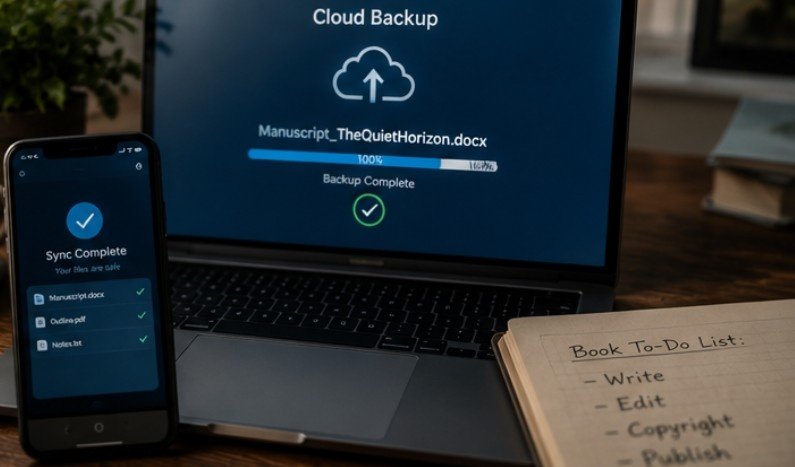
Keep dated drafts, control unpublished files, document contracts and permissions, use a copyright notice, and register promptly so stronger enforcement remedies may be available.
Conclusion
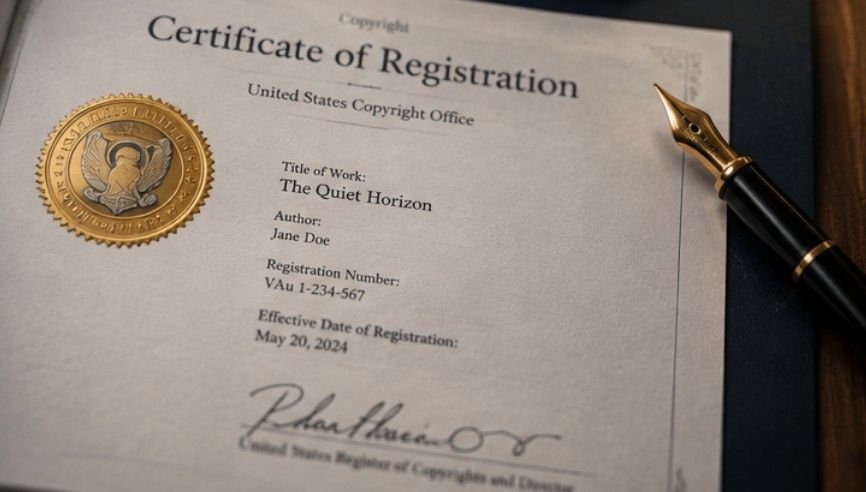
The useful way to think about how to copyright a book is simple: writing creates the copyright; registration strengthens the record behind it. Finish the manuscript, identify who owns every creative contribution, determine whether the book is published, choose the correct application, submit the required deposit, and keep the registration documents with your publishing records.
Do not treat an ISBN, copyright page, or emailed manuscript as a substitute for registration. For U.S. authors planning commercial publication, filing before infringement occurs—and ideally within three months of first publication—can turn an automatic right into a much more practical legal tool.