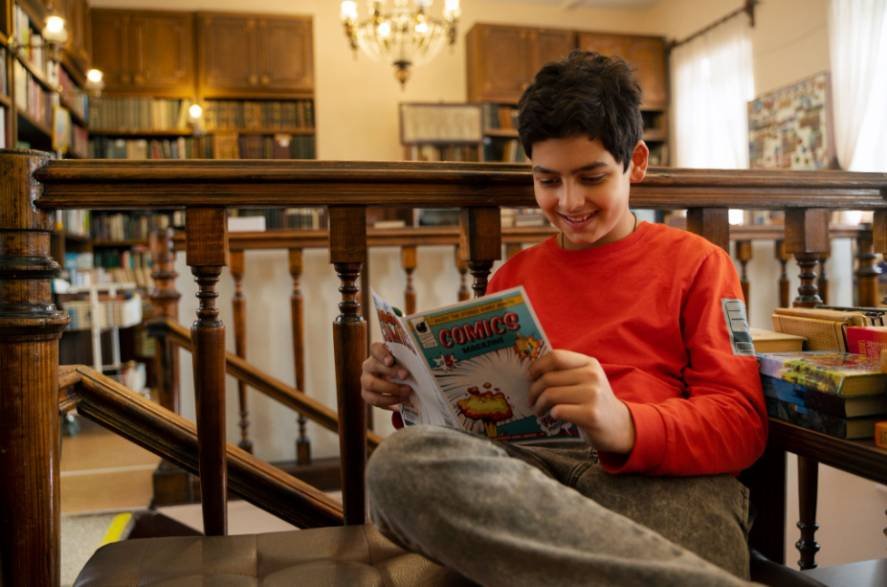
I used to think reading culture changed slowly, one bestseller list or bookstore recommendation at a time. BookTok has shattered that pace. A thirty-second video can revive a decade-old novel, send readers into a store, or make a niche trope part of mainstream publishing.
Understanding how BookTok is changing reading culture in America means looking beyond viral recommendations. The platform is changing who shapes literary taste, how Americans discover books, what publishers promote, and even how readers present their identities.
What Is BookTok and Why Has It Become So Powerful?
BookTok is TikTok’s book-centered community of readers, authors, publishers, booksellers, and creators. Its content ranges from reviews and emotional reactions to TBR lists, trope recommendations, shelf tours, and author discussions.
TikTok reported that #BookTok had accumulated about 370 billion views by 2025. A 2026 article in Cyberpsychology, Behavior, and Social Networking also estimated that roughly $59 million in US print sales in 2024 could be tied to BookTok.
The platform’s recommendation algorithm makes discovery feel personal. TikTok can keep surfacing books that match a viewer’s interests, moods, genres, and previous engagement.
How Has BookTok Democratized Book Discovery?

For generations, publishers, critics, prize committees, librarians, and major media outlets held considerable influence over literary discovery. Those voices still matter, but BookTok has added a powerful peer-to-peer system.
I can now discover a novel because an ordinary reader loved it enough to post a passionate reaction. That recommendation can feel more immediate than formal promotion.
Readers also increasingly shop by tropes and emotional promises such as “enemies to lovers,” “fake dating,” “academic rivals,” “slow burn,” and “found family.” This trope-based discovery is especially visible in romance, fantasy, YA, and romantasy.
Why Does BookTok Make Old Books Popular Again?
BookTok can ignore the traditional publishing calendar. Madeline Miller’s The Song of Achilles and Colleen Hoover’s It Ends With Us became major examples of older books finding renewed audiences through TikTok. Publishers Weekly documented how It Ends With Us surged years after its original publication, demonstrating BookTok’s unusual ability to turn backlist books into new bestsellers.
For publishers, that changes the lifecycle of a book. A backlist title can suddenly need another print run, fresh promotion, more bookstore space, or a special edition. Viral discovery gives older books a second commercial life long after their original launches.
Is BookTok Fueling an Analog Reading Revival in the US?
The most fascinating contradiction is that a short-form video app is helping physical books remain desirable.
ASU News has documented bookstores creating “As Seen on BookTok” displays. Barnes & Noble’s wider resurgence has multiple causes, but BookTok routinely sends readers from digital recommendations into physical stores. Barnes & Noble has separately described a major revival in brick-and-mortar bookselling, including rapid US store expansion.
Books have also become more visual and collectible. Publishers increasingly lean into sprayed edges, redesigned covers, deluxe hardbacks, and special editions that photograph well on social media. Book hauls, shelf tours, annotations, and matching sets have helped turn the printed book into both a reading object and an aesthetic object.
How Is BookTok Reshaping Genres and Publishing?

BookTok’s most influential communities are strongly associated with younger readers, and women are especially visible in romance, fantasy, YA, and related spaces. Publishers Weekly has reported that romance, rom-com, fantasy, and YA are among the genres gaining the most traction on the platform.
Romantasy is one of the clearest examples. BookTok did not invent romance-fantasy hybrids, but it helped push them into the mainstream by making emotional plots, relationship dynamics, and recognizable tropes easy to recommend in short videos.
The platform can also expose aspiring authors to forms of storytelling beyond conventional novels. Writers interested in combining concise storytelling with visual narrative may eventually explore how to make a picture book, particularly if they want to create work for younger audiences where text, illustration, pacing, and page turns need to function together.
Publishers now monitor creator conversations, send advance copies to influencers, plan social-first campaigns, and build pre-release buzz. TikTok’s own publishing material also points to influence on collector editions and release campaigns.
A more controversial question is whether this environment affects writing itself. Critics argue that some commercial fiction increasingly favors quick hooks, familiar tropes, fast pacing, quotable lines, and emotional scenes that translate easily into viral content.
Writers responding to these pressures still need to understand how to improve sentence structure and flow so that accessible, fast-moving prose remains clear, varied, and engaging rather than feeling rushed or repetitive. I see this as an emerging pressure rather than a universal rule.
Has Reading Become More Social and More Performative?
BookTok has made reading intensely communal. Readers post reactions, ratings, annotations, yearly goals, and monthly wrap-ups. Academic research on digital reading culture describes reading online as not only communal but also performative, with readers publicly displaying emotional responses and reader identities.
That can be positive because readers can find large communities built around shared interests. But it can also become conspicuous reading. Huge TBR piles, reading-count goals, collector editions, and carefully arranged shelves may turn reading into a performance of taste, productivity, or status.
Does the BookTok Algorithm Limit Literary Diversity?
BookTok can help independent authors and underrepresented writers reach readers without relying entirely on traditional gatekeepers.
It can also encourage readers to move beyond the titles that dominate bestseller tables and discover traditions, cultures, and voices they may not otherwise encounter.
For readers looking to broaden that discovery, exploring the best Latino American authors and books can open the door to fiction shaped by migration, family, language, identity, history, belonging, and experiences spanning Latin America and the United States.
However, algorithms also reward what already performs well. Once a small group of authors, books, or tropes dominates engagement, recommendation loops can create sameness.
Slower, experimental, or difficult-to-summarize books may struggle to fit the viral ecosystem. The healthiest reading culture uses BookTok as one discovery tool rather than the only one..
Frequently Asked Questions
1. How Is BookTok Changing Reading Culture in America?
The biggest changes include peer-to-peer discovery, viral backlist sales, Gen Z reading communities, trope-based recommendations, bookstore displays, collectible editions, and publishers adapting marketing around social media.
2. Why Is BookTok So Popular With Gen Z Readers?
BookTok combines personalized recommendations, short-form entertainment, emotional storytelling, social interaction, and reader identity.
3. Is BookTok Good or Bad for Reading?
It can be both. BookTok can motivate readers, revive older titles, support communities, and broaden discovery, but it can also encourage trend-chasing, overconsumption, algorithmic sameness, and performative reading.
Can BookTok Change America’s Long-Term Reading Habits?
I do not think one platform can reverse every concern about declining leisure reading in the United States. What BookTok has proved is that younger audiences will still become excited about books when reading feels social, emotional, personalized, and culturally visible.
For me, its biggest contribution is making conversations about books difficult to ignore. American reading culture may benefit most when digital communities lead people toward deeper, broader, and more curious reading rather than simply toward the next trend